Why Automated Check Calls Are the Next Efficiency Frontier for Freight Carriers
When I started dispatching trucks fifteen years ago, check calls were the part of the day I dreaded most. You would ring a driver who had just pulled into a receiver's lot, only to hear a gruff "yeah, we're still waiting". Then you would call the next driver, and the next. By the time you had updated every status, an hour had vanished. Multiply that by dozens of loads, and you start to see why so many dispatchers burn out before lunch.
Check calls are not going away. Shippers and brokers still need to know where their freight is. But the way we make those calls has changed dramatically. The shift from manual, phone-based check calls to automated check calls is one of the most practical improvements a carrier can make today. It saves time, reduces errors, and frees dispatchers to focus on the exceptions that actually need human judgment.
Automated check calls use a combination of telematics, API integrations, and sometimes simple text or IVR prompts to collect driver status without a dispatcher dialing a number. The system pings the driver, gets a response, and writes it into the load record. The dispatcher only gets involved if the driver does not respond or reports a problem. That is a huge change from the old way of doing things.
What an Automated Check Call Actually Looks Like
Let me give you a concrete example. A driver for a regional flatbed carrier finishes a delivery and needs to log their next status. In a manual environment, the dispatcher would call the driver's phone, wait through a few rings, take down the update, and then manually enter it into the TMS. If the driver was on the other line or in a noisy dock, the call might get missed. Then the dispatcher would have to call again later.
With automated check calls, the process changes. The driver gets a text message or a push notification from a mobile app: "Reply with your current status: 1 for empty, 2 for loaded, 3 for at receiver, 4 for delayed." The driver taps a button or replies with a number. The system logs the status, updates the ETA, and notifies the broker if needed. The dispatcher sees a clean dashboard of all loads and only needs to act on the ones marked red.
That might sound simple, but the impact is significant. A mid-sized carrier running fifty trucks can easily spend twenty to thirty hours per week on check calls alone. Automated check calls cut that time by at least half. Some carriers I have worked with report saving over a hundred hours a month after switching.
The Hidden Cost of Manual Check Calls
Manual check calls cost more than just time. They cost accuracy. When a dispatcher is rushing through a list of thirty drivers, it is easy to mishear a location name or mistype a status. That small error can snowball. A broker passes the wrong ETA to a receiver. The receiver plans dock staffing around that time. When the truck shows up two hours late, everyone is frustrated. The carrier takes the blame.
There is also the human cost. Dispatchers who spend most of their day on routine check calls have less energy for the work that actually moves freight: finding backhauls, negotiating rates, solving problems for drivers. The best dispatchers I know are creative problem-solvers. They thrive on the unexpected. Automated check calls let them do the work they are good at, instead of turning them into phone operators.
Drivers feel the difference too. Nobody likes getting called while they are backing into a dock or trying to navigate a tight city street. An automated check call that comes as a silent text or an app notification is less intrusive. The driver can respond when it is safe. That small courtesy builds goodwill, and in a market where driver retention is a constant struggle, every bit of goodwill counts.
Where Automation Meets Judgment
Now, I should be clear that automated check calls are not a replacement for dispatchers. They are a replacement for the repetitive, low-judgment part of the job. The system handles the routine updates. The dispatcher handles the exceptions. A driver who does not respond to three automated prompts might need a personal call to check on their wellbeing. A load that has been sitting at a receiver for four hours might need a human to negotiate a detention fee.
The key is knowing where to draw that line. A good automated check call system lets you set rules. If a driver reports a delay of more than thirty minutes, the dispatcher gets an alert. If a driver is empty and within fifty miles of a load the carrier has in its board, the system can flag that too. The automation handles the standard flow. The human handles the curveballs.
One carrier I know set up their automated check calls to ping drivers every two hours during transit. If the driver did not respond within fifteen minutes, the system escalated to the dispatcher. That simple rule caught a situation where a driver had fallen asleep at a rest stop and was hours behind schedule. The dispatcher called, got the driver awake and moving, and the load still made delivery on time. Without the automated check call, that delay might not have been discovered until the next morning.
That is the real value of the lunetms automated check calls approach. It is not about removing people from the loop. It is about making sure the loop only involves people when it has to.
Integrating Automated Check Calls with Your TMS
To get the most out of automated check calls, the system needs to talk to your TMS. Otherwise you end up with statuses in one place and load data in another, and you still have to reconcile them manually. That defeats the purpose.
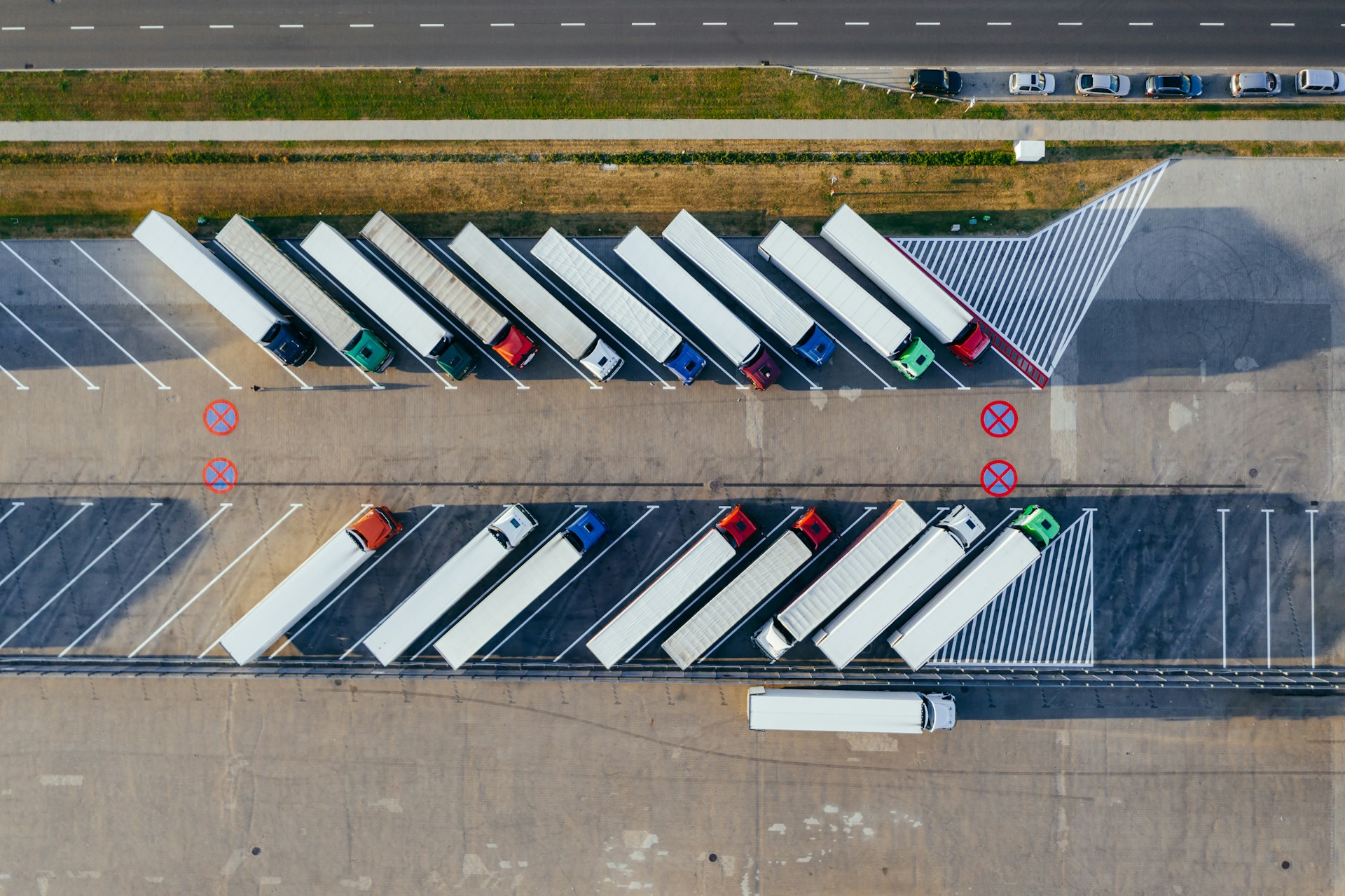
A modern TMS like LuneTMS is built to handle this kind of integration. The check call data flows directly into the load record. The broker portal updates in real time. The dispatcher's dashboard shows a single source of truth. When a driver reports an empty status, the TMS can automatically start looking for a nearby backhaul. When a driver reports a delay, the TMS recalculates the ETA and notifies the customer.
I have seen carriers try to piece together a solution using a separate texting service and manually entering the results into their old TMS. It works, but it is brittle. Every extra step is a place where something can break. The better path is to use a system where the check call automation is baked into the TMS itself.
That is one reason I find the lunetms automated check calls feature worth paying attention to. It is not a bolt-on. It is part of the dispatch workflow. The driver status updates feed directly into the AI that helps optimize the rest of the operation. That is a smarter way to build the system.
What to Look for in an Automated Check Call Solution
If you are evaluating automated check call options for your own operation, here are a few things to consider.
- How does the driver interact with the system? Text, app, IVR, or all three? The more options, the better, because drivers have different preferences and different phone plans.
- What happens when a driver does not respond? Does the system escalate to a human automatically? Can you set the escalation rules yourself?
- Does the check call data sync with your TMS in real time? If it takes even fifteen minutes to update, you are still working with stale information.
- Can you customize the check call frequency and timing? A dry van hauling coast to coast needs different intervals than a local hot shot running same-day deliveries.
- Does the system support check calls for both company drivers and owner-operators on your board? Mixed fleets are common, and you do not want two separate processes.
Each of these points matters more than the specific technology behind it. A system that scores well on all five will save you time and reduce errors. A system that misses on one might still work, but you will have to build workarounds.
Practical Steps to Get Started
If you are ready to move from manual to automated check calls, start small. Pick one lane or one customer that runs regularly. Set up the automation for those loads only. Run it for a week and compare the time your dispatchers spent on check calls versus before. I can almost guarantee you will see a difference.
Once you have proof of concept, expand to the rest of your fleet. You will likely need to train drivers on the new process, but most drivers catch on quickly. The ones who push back tend to be the ones who were already hard to reach by phone anyway. For them, the automation is actually a net improvement because it does not require them to answer a call in real time.
One mistake I see carriers make is trying to automate every check call at once. They turn on the system for all loads, and then the dispatchers get overwhelmed by exceptions because the rules are not tuned yet. Better to start with a small slice, learn what the exceptions look like, and adjust the rules before flipping the switch for the whole fleet.
Automated check calls are not a futuristic technology. They are a practical, proven tool that is already helping carriers run more efficiently. The question is not whether you should adopt them. It is how soon you can get them working for your team.
When you find a system that handles the routine check calls cleanly and integrates with your TMS, you will wonder how you ever managed without it. The lunetms automated check calls capability is one example of that kind of integration done right. But whatever solution you choose, the principle is the same: let the machines handle the repetition, and let your people handle the things that matter.
 LinkedIn
 Facebook
 Instagram
 YouTube